The 5 Factors of Fat Loss
Part 3A of 5: Supportive Nutrition
In the first 2 parts of this series I went over how to create some lean, sexy skeletal muscle and burn some fat. Now we need to cover some basics of eating for your total body transformation. And there is A LOT to go over. So not to overwhelm you, I'm going to tackle this part in two separate blog posts (hence the tag of "3A" above). Below we will tackle the foundation of all nutrition: Macronutrients 101!
The Basics of Supportive Nutrition
Nutrition has by far the greatest impact on fat loss. Eating supportively will not only allow you to improve your health and energy, it also provides the ideal environment for your transformation - maintaining/gaining lean muscle while reducing unwanted fat.
If your goal is to lose body fat, you must eat slightly fewer calories than you burn.
This may seem simple, but when calories are reduced, the body becomes imbalanced. It is the body’s job to restore balance, and it inevitably does so by either:
- Reducing the amount of calories it burns for energy (by eating away muscle instead of fat) which, ultimately, slows down your metabolism overall, or
- By forcing you to eat more through hunger and cravings.
Neither is something you want to encounter. These are just a couple of the main reasons why fad diets do not produce long term results. The goal of our program is to ensure that you lose fat, not muscle.
Most fad diets are simply low-calorie diets disguised by great advertising or a clever marketing gimmick. There are currently thousands of diets listed with the Food and Drug Administration (FDA). This number alone proves that no one diet works long term. If a magic diet or formula for fat loss existed, everyone would be on it and no one would be overweight.
But why is it that some people do lose weight on diets?
The immediate success most people experience from fad diets is due to water loss, eating fewer calories or a combination of the two. However, less than five percent of these dieters are able to keep the weight off. Diets simply don’t work long term because of improper nutrition and the failure to change exercise and eating habits for life.
America is fatter as a society today because we consume approximately 300 to 500 more calories per day than we did just 10 years ago, yet we move less then many of our ancestors because of advances in technology such as computers, escalators and other labor-saving devices.
Supportive nutrition can be mastered by understanding that everything you eat and drink can either positively or negatively affect your fat loss goals. Making supportive food choices is your secret weapon in the quest to achieve a toned and sculpted body. Eating supportive foods frequently will help you lose fat and increase your energy dramatically.
What are you supposed to eat?
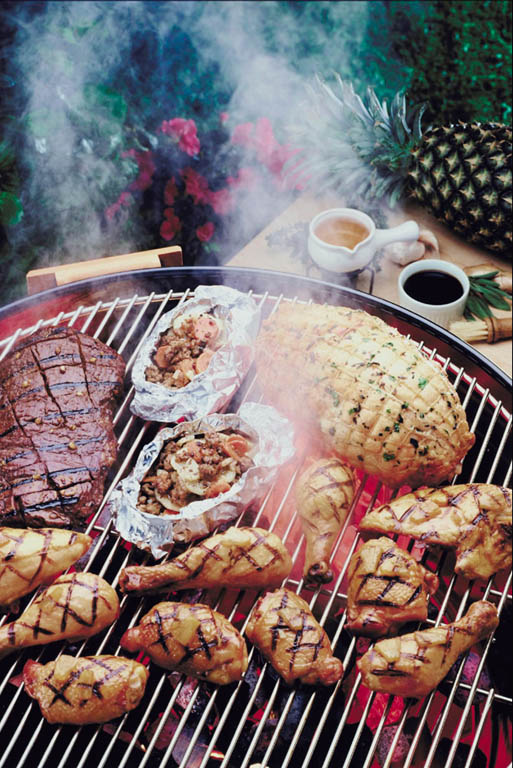
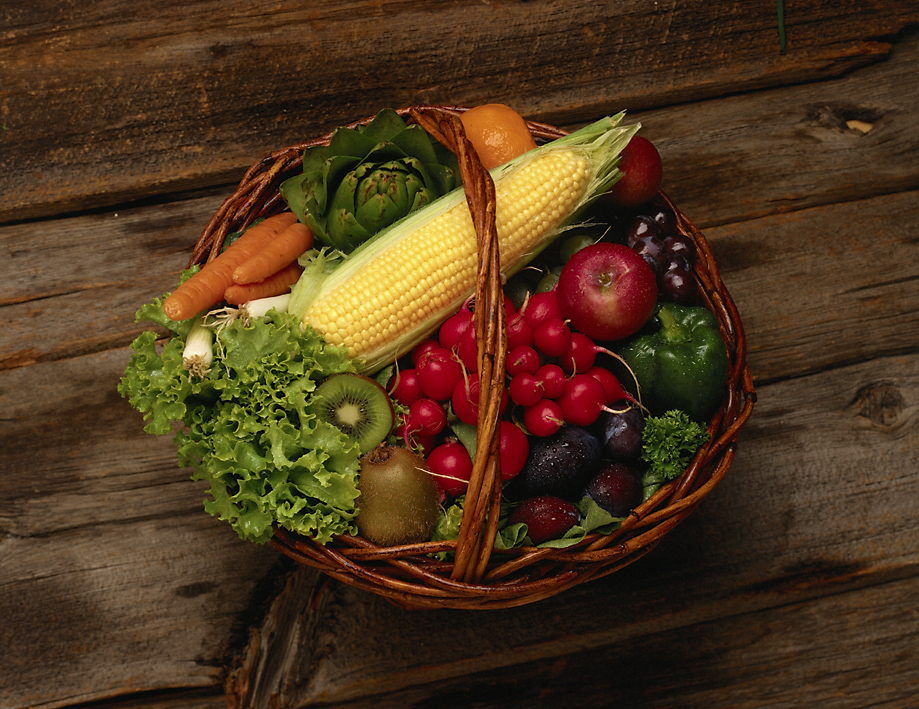
The types of foods that you eat along with how big of a caloric deficit you create will be the main factors in determining your body’s ability shed fat. A supportive nutrition plan includes whole foods: lean proteins, certain startchy carbs (strategically timed), fruits, veggies and healthy fats.
Each time you eat, your body must expend some energy to digest food. Each type of food creates different demands for energy expenditure - Thermic Effect of Food. This is what sets each of these nutrients apart and divide them into smaller versions to absorb them into your bloodstream to perform a variety of tasks – some are used to help burn fat and build muscle.
When foods are processed, much of this work is done for you. For example, processed flour is ground into small pieces that the body can digest more quickly. This means your blood sugar rises faster and your body expends fewer calories processing the flour. Whole foods, on the other hand, pack more nutrients, are higher in fiber, and force the body to work harder to use them as energy.
Macronutrients 101
Macronutrients are nutrients that provide calories ("calories" means "energy"). All food (protein, carbohydrates and fats) can be used for energy. Not only does your body need all three for growth, metabolism, and for other body functions, the quality of these nutrients contribute to satiety and are broken down at different rates. The “thermic effect of food” refers to the energy your body uses to digest food, accounts for 10 percent of your daily calorie burn. This has a powerful affect on your body’s ability to lose fat. When it comes to nutrition for Fat Loss, your goal is to INCREASE the calories burned by eating multiple, highly thermic meals.
Macronutrient #1: Protein
Important points you need to know about Protein:
- Protein provides four calories per gram.
- Thermic Effect: for every 100 cal = 20 cal are burned
- Besides water, protein is the most plentiful substance in the body. Made up of structural units or chains called amino acids
What does it do?
- In the absence of sufficient carbohydrates, protein is used as an energy source.
- Protein is the primary component of building material for muscles, blood, skin, hair and internal organs such as the heart and the brain. Used in the formation of hormones, enzymes and antibodies
- Protein is vital for growth, maintenance and repair of body tissue.
Sources of protein:
Complete Proteins: Complete proteins contain all the essential amino acids (not made by the body) Sources include: Animal products such as beef, chicken, fish, milk and cheese.
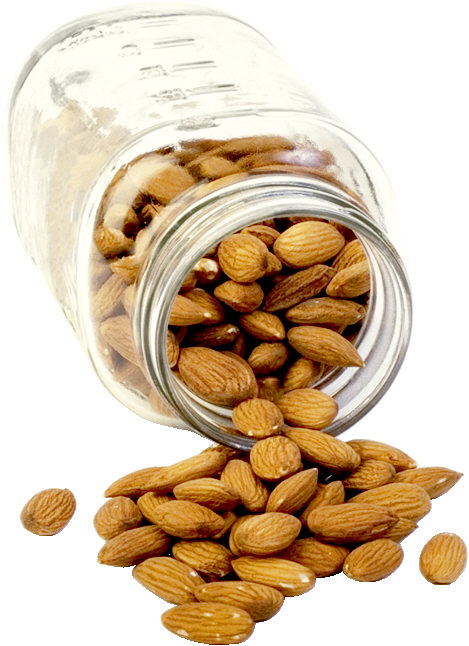
Incomplete Proteins: Incomplete proteins do not contain the adequate of essential amino acids. Sources include: Plant products such as grains, legumes, cereals, nuts and starchy vegetables.
Macronutrient #2: Carbohydrates
Important points you need to know about Carbohydrates:
- Carbohydrates provide four calories per gram.
- Thermic Effect: for every 100 cal = 10 cal are burned
What does it do?
- Carbs are your body’s main source of fuel
- Carbohydrates are converted to glucose (blood sugar), your body’s primary energy source.
- Glucose is used to help burn fat for a fuel.
Sources of carbohydrates:
Complex: Complex carbohydrates have larger chains of sugars (starches) that must be broken down before being absorbed into the body and utilized for energy or stored. Complex carbohydrates require more energy to digest. Sources include: starchy vegetables, fibrous fruits, whole grain pasta, bread, cereals and crackers.
Simple: A simple carbohydrate contains one or two sugar molecules that are easily absorbed into the body and used for energy in the form of glucose (blood sugar) or stored for future use (fat). Sources include: table sugar, honey, cola drinks, juices, candy, cakes, etc.
NOTE: SIMPLE CARBS have NO Thermic Effect
Macronutrient #3: Fat
The important things you need to know about Fat:
- Fat provides nine calories per gram.
- Thermic Effect: for every 100 cal = 5 cal are burned
There are three classifications of fats:
- Saturated fats -found in animal sources (accept coconut and palm oil) and are solid at room temperature (lard or the fat on steak). They are a source of cholesterol.
- Trans fats also called hydrogenated fats have no physical purpose in your body. These fats are made when foods are processed, found in just about everything that has been boxed or changed from its natural state. Common sources are cakes, muffins, chips, crackers, doughnuts and popcorn.
- Unsaturated fats: these fats are primarily found in plant sources, are liquid at room temperature (olive oil). These are the healthy fats.
What does it do?
- Fat provides energy for aerobic energy metabolism (sitting, walking, jogging)
- Fat assists in membrane cell structure, function and hormone production
- Fat transports and mobilized fat soluble vitamins in the body.
- Fat contributes to satiety
Sources of Fat:
Saturated sources: meats such as ribs, chicken with skin, dairy foods, butter, most fast food, etc.
Unsaturated sources: salad dressing, oil, margarine, mayonnaise, nuts, avocados, etc.
You just received A LOT of information on all 3 macronutrients. And this is where we are going to leave it for today. You'll need every bit of this knowledge to put to use in Part 2 of Supportive Nutrition when we cover Meal Construction, Calories, Meal Timing, and Cheat Meals. So read it. Reread it. Absorb it.
Be sure to "LIKE" us on our Cutting Edge Fan Page
Come in for Your FREE Consultation
Need some guidance on how to incorporate "Supportive Nutrition" into your Body Transformation Plan? If you're not already a Cutting Edge Client, you live close by, and you are serious about taking control of your health and physique, then make sure you take advantage of your FREE Fitness Consultation (an $89 value).
During this consult, you'll receive detailed information on how to get fit and trim that's tailored to YOUR body.
There's no obligation and it's totally and completely free. To sign up, click here.

James Cipriani
Cutting Edge Personal Training





Jim Cipriani's Body Transformation Blog
- Hard Hitting Facts and the Most Result Producing Routines You'll Ever Experience.
- Tips, Tricks and Thoughts on Diet and Training in support of Awesome Muscle Growth and Fat Obliteration Without Steroids....FAST!
- Build a Leaner, Fitter, Better, Body Now! Get Ready for Jim Cipriani's Body Transformation Blog.

Browse Recent 2011 Posts